ผัดไทย
ก๋วยเตี๋ยวและเส้น • ไทย
เกี่ยวกับ Pad Thai
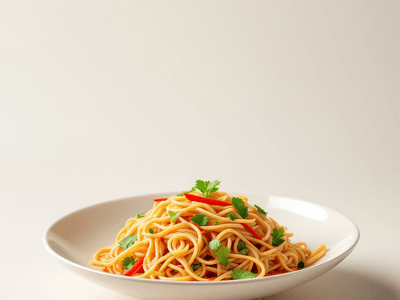
Stir-fried rice noodles with shrimp, peanuts, and tamarind sauce
How to Make Pad Thai (Traditional & Healthy Version)
Pad Thai is Thailand’s beloved stir-fried noodle dish, celebrated for its vibrant flavors and textural diversity. Originating in the bustling markets of Bangkok, Pad Thai has become a staple meal across Thailand, enjoyed by locals and visitors alike. The dish typically combines rice noodles, succulent shrimp or chicken, a medley of fresh vegetables, and a tangy, nutty sauce made from tamarind, fish sauce, and a touch of palm sugar. Its distinctive taste comes from the harmonious blend of sweet, sour, salty, and umami, all balanced to perfection. Pad Thai is not just a meal but a cultural experience, representing the essence of Thai street food. It is often cooked fresh to order, allowing for customization and ensuring maximum freshness. This traditional Pad Thai recipe is designed for health-conscious food lovers, using wholesome ingredients and lean protein. By lightly sautéing rather than deep-frying, and incorporating plenty of fresh vegetables, this version delivers authentic flavor while supporting a balanced diet. Whether you’re new to Thai cuisine or a seasoned enthusiast, Pad Thai offers a delicious way to explore Thailand’s culinary heritage.
วัตถุดิบ(สำหรับ 1 bowl (approx. 350g), typical street food portion in Thailand)
- 120g Rice noodles (Sen Chan noodles)
- 100g Shrimp (peeled and deveined, 'Goong')
- 1 large Egg (free-range)
- 1 cup Bean sprouts (fresh 'Tua Ngok')
- 50g Firm tofu (cubed, 'Tao Hu')
- 2 cloves Garlic (minced)
- 2 small Shallots (finely chopped)
- 2 tbsp Roasted peanuts (crushed, 'Tua Li Song')
- 1.5 tbsp Tamarind paste (authentic Thai tamarind)
- 1.5 tbsp Fish sauce (Thai 'Nam Pla')
- 1 tbsp Palm sugar (or coconut sugar)
- 1 tbsp Vegetable oil (for stir-frying)
- 1/4 cup Chives (cut into 2-inch pieces)
- 1 wedge Lime (for garnish)
- 1/2 tsp Red chili flakes (optional for spice) - ไม่จำเป็น
วิธีทำ
- 1
Soak rice noodles in warm water for 10-15 minutes until pliable. Drain and set aside.
10 minutes
Do not over-soak to keep noodles chewy.
- 2
Mix tamarind paste, fish sauce, and palm sugar in a small bowl to create the Pad Thai sauce.
3 minutes
Adjust tamarind for desired tanginess.
- 3
Heat vegetable oil in a wok over medium heat. Add garlic and shallots, sauté until fragrant.
2 minutes
Don’t burn garlic for best aroma.
- 4
Add shrimp and tofu to the wok. Stir-fry until shrimp turns pink and tofu is lightly golden.
3 minutes
Cook shrimp quickly to keep it tender.
ทำไมเมนูนี้จึงดีต่อสุขภาพ
This Pad Thai recipe is a healthy choice due to its lean protein sources, fiber-rich vegetables, and low saturated fat content. Using traditional rice noodles ensures gluten-free enjoyment for most, while the homemade sauce avoids excess sodium and sugar common in restaurant versions. The balance of macros and fresh ingredients makes it perfect for those seeking nutritious, flavorful meals without compromising authenticity.
Pad Thai offers a balanced combination of protein from shrimp and egg, complex carbohydrates from rice noodles, and healthy fats from peanuts. The dish is rich in vitamins such as vitamin C from bean sprouts and lime, vitamin E and antioxidants from peanuts, and minerals like calcium and magnesium from tofu. By incorporating fresh vegetables and lean protein, this recipe supports muscle health, immune function, and digestive wellness. Portion control and minimal oil make it suitable for calorie tracking.
เคล็ดลับ
- 💡Tip 1: Prep all ingredients before cooking for quick stir-frying.
- 💡Tip 2: Use authentic Thai tamarind paste for the best flavor.
- 💡Tip 3: Add bean sprouts and chives last for maximum crunch and freshness.
การเก็บรักษาและการเสิร์ฟ
Pad Thai is best enjoyed fresh, but leftovers can be refrigerated in an airtight container for up to 2 days. Reheat gently in a skillet with a splash of water to restore texture. Avoid microwaving to prevent noodle dryness.
เหมาะสำหรับเสิร์ฟ: Breakfast or Lunch
ข้อมูลโภชนาการ
| สารอาหาร | ต่อ 100 กรัม |
|---|---|
| พลังงาน | 148.0 kcal |
| โปรตีน | 7.0 g |
| คาร์โบไฮเดรต | 20.0 g |
| ไขมันทั้งหมด | 5.0 g |
| ไฟเบอร์ | 1.0 g |